How Can a Water Recirculation System Reduce the Time You Wait for Hot Water?
A water recirculation system reduces the time you wait for hot water by keeping heated water circulating through your supply lines so it’s already at the tap when you turn the handle. Instead of letting cooled water sit in the pipes between uses, the system moves it back toward the water heater continuously or on demand. For Aledo homes with long pipe runs, this difference can be 30 seconds to 2 minutes per use.
There are three main system types: a dedicated return line with a circulation pump, a comfort valve (crossover valve) retrofit, and a demand-controlled pump. Each works differently, costs differently, and suits a different home layout. The five reasons below explain exactly how each approach cuts your wait time and what you should know before choosing one.
Recirculation System Types at a Glance
Before diving into the five reasons, here’s a quick comparison of the three main options so you can see how they stack up on cost, installation complexity, and energy use.
System Type
How It Works
Typical Install Cost (Estimated)
Install Time
Best For
Dedicated Return Line + Pump
Separate pipe loops hot water back to heater continuously or on a timer
$500–$1,500+
Half day to full day
New construction or full remodel with open walls
Comfort Valve (Crossover Retrofit)
Valve at farthest fixture uses cold line as return; no new pipe needed
$200–$600
1–3 hours
Existing homes without a return line
Demand-Controlled Pump
Pump activates on button press or motion sensor; runs only when needed
$300–$800
1–3 hours
Homeowners who want low energy use and fast response
Estimated ranges reflect general market data and do not represent quoted prices from Texas Plumbing and Drain.
1. Hot Water Stays in the Pipe Instead of Cooling Down Between Uses
The core reason you wait for hot water is simple: the water sitting in your supply line between uses cools to room temperature. A recirculation system solves this by keeping water moving so it never has time to go cold. You turn on the tap and hot water is already there.
In a standard Aledo home, the pipe run from a water heater to a master bath or kitchen can be 40 to 80 feet or more, especially in larger homes in subdivisions like Walsh Ranch or Morningstar. At that distance, a half-inch pipe holds roughly half a gallon of cooled water that has to flush out before hot water arrives.
A dedicated return line keeps water circulating on a timer or thermostat, so the pipe temperature stays within a few degrees of the heater’s set point. The result is near-instant hot water at every fixture on that loop.
Timer vs. thermostat control
Timer-based pumps run during preset hours (morning and evening peaks) and shut off overnight to save energy.
Thermostat-controlled pumps activate when pipe temperature drops below a set threshold, typically around 95–105°F, and shut off once it recovers.
Combining both controls gives the best balance of comfort and efficiency.
2. A Comfort Valve Retrofit Adds Recirculation Without New Pipe
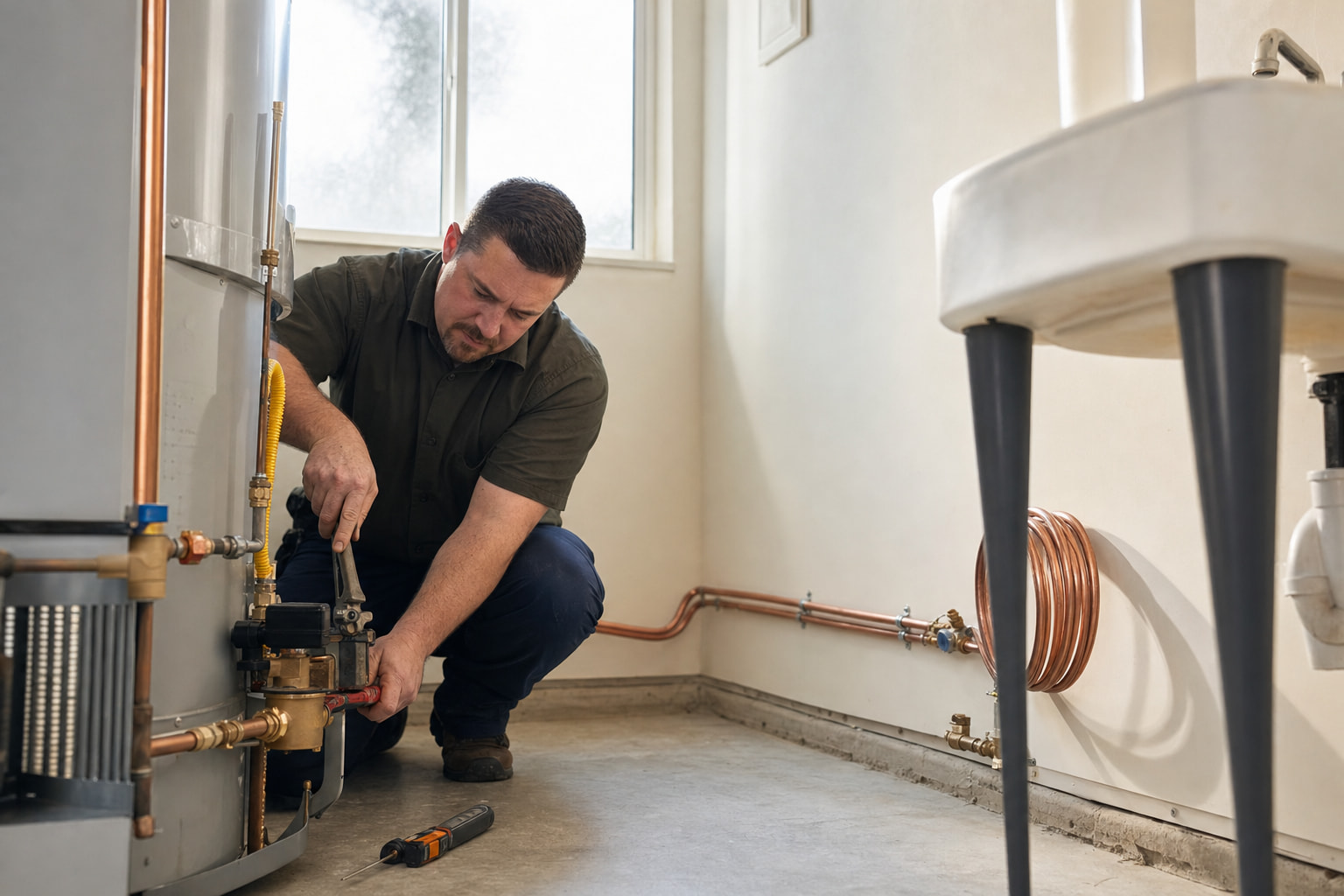
If your Aledo home doesn’t have a dedicated return line (most existing homes don’t), a comfort valve retrofit lets you add recirculation without opening walls. The valve installs under the sink at the farthest fixture and uses the cold-water line as a return path back to the heater.
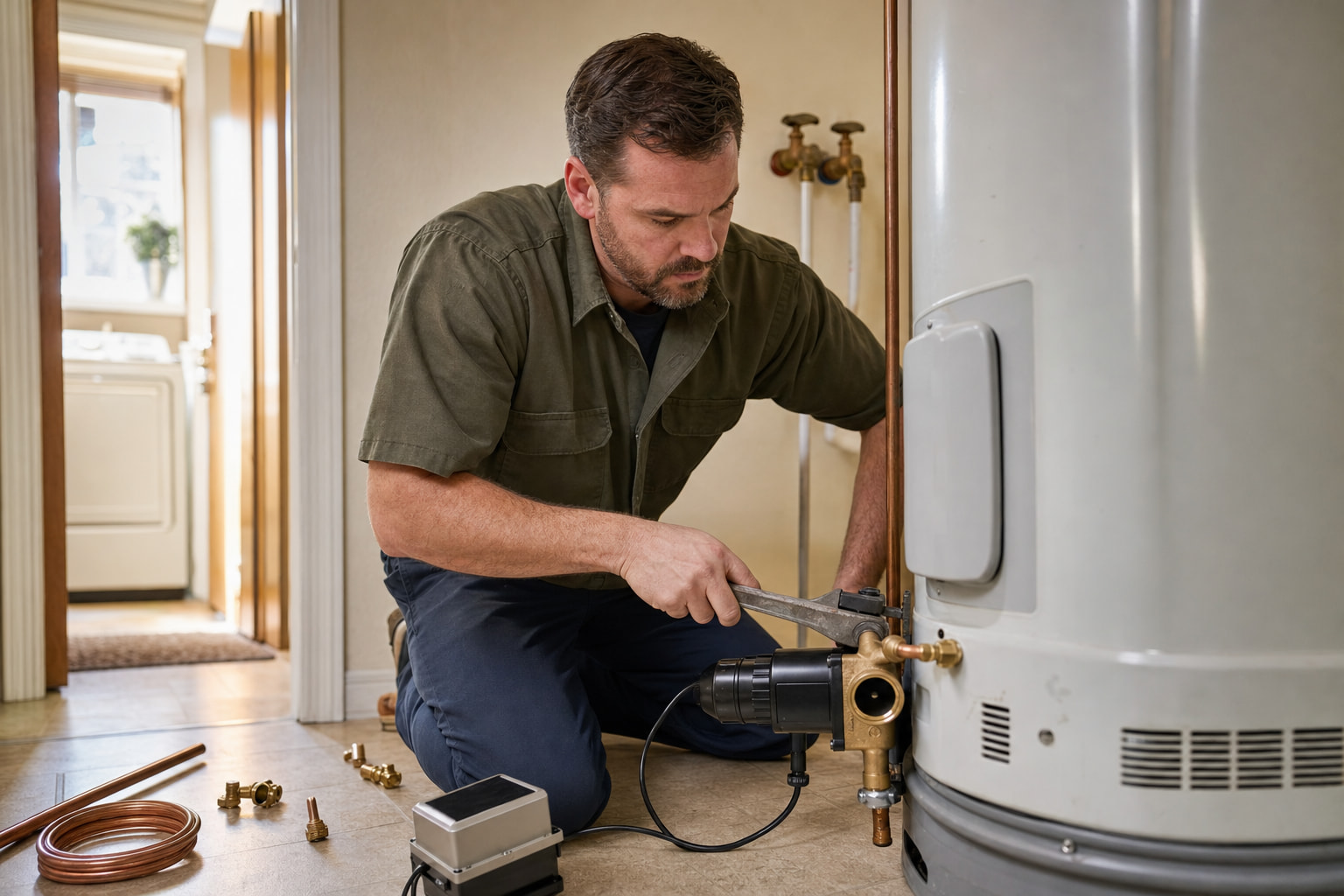
A small pump mounts on top of the water heater and pulls the cooled water from the hot line, through the crossover valve, and back through the cold line to be reheated. The whole retrofit typically takes a plumber one to three hours on an existing system.
The trade-off: because the cold line carries some warm water, you may notice a brief delay before truly cold water arrives at that fixture. For most households this is a minor inconvenience compared to the wait for hot water they had before.
What to check before a comfort valve install
Confirm your water heater has a recirculation port or a spare inlet for the pump connection.
Tankless water heaters need a model specifically rated for recirculation; not all tankless units are compatible.
3. A Demand-Controlled Pump Cuts Energy Use While Still Delivering Fast Hot Water
A demand-controlled pump only runs when you actually need hot water, triggered by a button, motion sensor, or smart home integration. You press the button, the pump moves hot water to the fixture in 15 to 45 seconds, and then shuts off. No continuous circulation, no energy wasted overnight.
This approach is popular in Aledo homes where the homeowner wants faster hot water but doesn’t want to run a pump around the clock. The U.S. Department of Energy’s Energy Saver guidance on demand-type water heaters notes that reducing standby heat loss is one of the most effective ways to cut water heating costs, and demand pumps support that goal by minimizing how long hot water sits in pipes.
A demand pump gives you fast hot water without paying to heat pipes you’re not using at 2 a.m.
Demand pump installation steps (what a plumber does)
Mount the pump on the water heater’s outlet port.
Install the crossover valve at the farthest fixture (same as a comfort valve retrofit).
Wire or connect the activation button near the fixture.
Test pump cycle time and adjust thermostat cutoff if needed.
4. Recirculation Reduces Water Waste, Which Matters in Parker County
Every time you run the tap waiting for hot water, that cooled water goes straight down the drain. The EPA WaterSense program estimates that the average household can waste more than 9,000 gallons per year waiting for hot water to arrive. In Parker County, where water rates and conservation awareness are both rising, that number adds up fast.
A recirculation system doesn’t eliminate water use, but it eliminates the wasted cold flush. The water that would have gone down the drain instead returns to the heater and gets reused. For a family of four in Aledo running multiple showers and a kitchen daily, the savings in wasted water can be meaningful over a year.
Pairing a recirculation system with a well-maintained water heater makes the most of both investments. If your heater is aging or struggling to keep up, Water Heater Repair in Aledo, TX or a full Water Heater Installation in Aledo, TX may be worth scheduling at the same time as a recirculation upgrade.
We Install These Systems
From the recirculation pump to the water heater hookup, we handle the full installation so you don’t have to piece it together.
5. Proper Sizing and Pipe Layout Determine How Fast the System Actually Works
A recirculation system is only as fast as its weakest link. If the pump is undersized for the pipe volume, or if the return loop doesn’t reach the farthest fixtures, some taps will still have a noticeable wait. Getting the sizing right is the part most homeowners overlook.
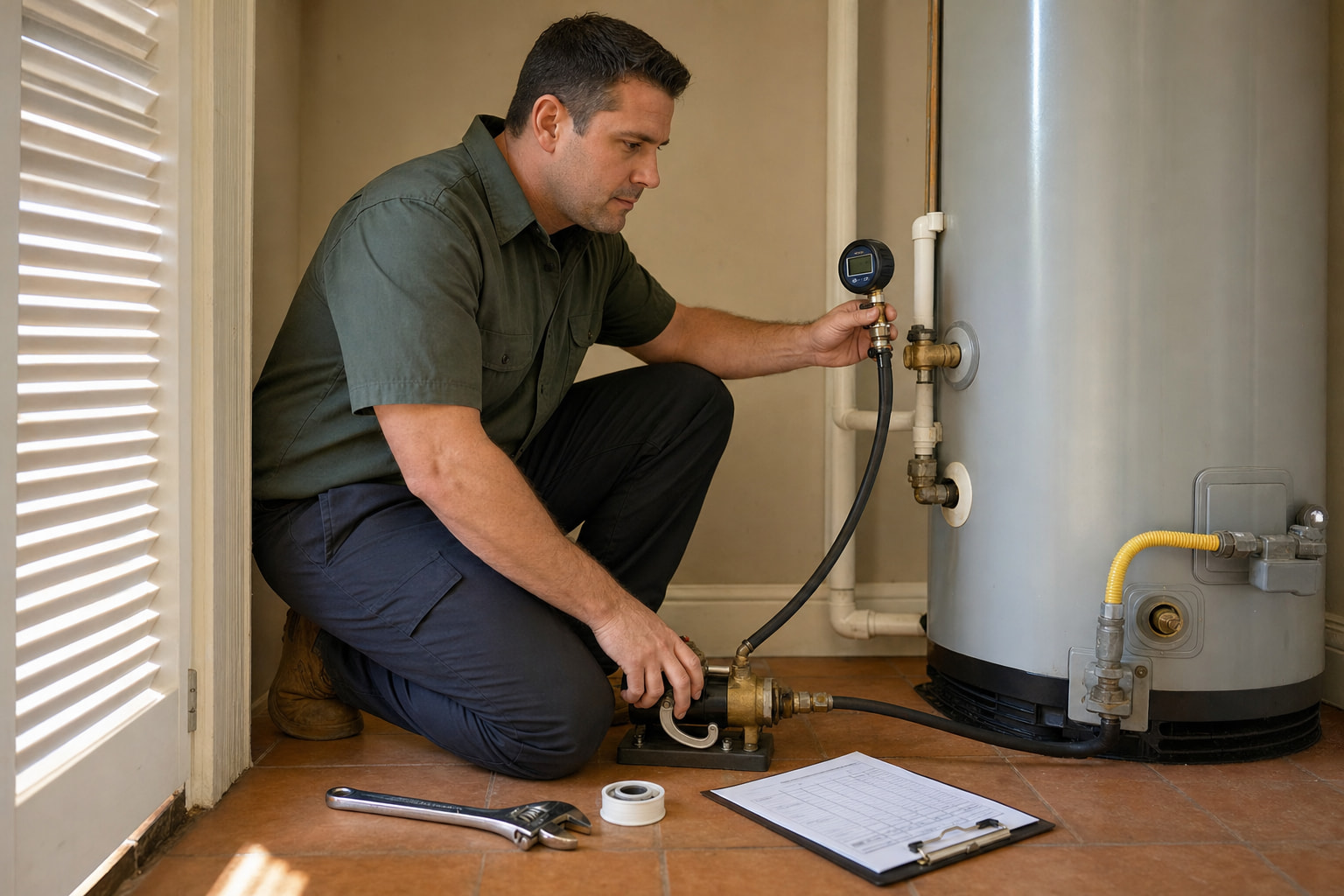
Key factors a plumber evaluates before installing a recirculation system:
Total pipe length from the water heater to the farthest fixture (longer runs need higher pump flow rates).
Pipe diameter (half-inch vs. three-quarter-inch lines hold different water volumes and have different friction losses).
Number of fixtures on the loop and whether branch lines are included.
Water heater type and capacity (tank vs. tankless, and whether the unit has a dedicated recirculation port).
Insulation on the hot water lines, which dramatically affects how quickly pipes cool between pump cycles.
Insulating hot water pipes is one of the simplest ways to extend the benefit of any recirculation system. The DOE Energy Saver pipe insulation guide notes that insulating accessible hot water pipes can raise water temperature at the tap by 2°F to 4°F and reduce the time the pump needs to run to maintain temperature.
For homes in Aledo with hard water (Parker County groundwater commonly runs 200–400 mg/L total dissolved solids), scale buildup inside pipes can also restrict flow and reduce pump efficiency over time. A plumber can check for this during installation and recommend a water softener if needed.
If you’re planning a bathroom addition or kitchen remodel, that’s the ideal time to rough in a dedicated return line. Our Kitchen & Bathroom Plumbing Repair & Installation service covers exactly this kind of rough-in work.
Ready to Stop Waiting for Hot Water in Aledo?
A water recirculation system is one of the most practical upgrades an Aledo homeowner can make, especially in larger homes or homes with long pipe runs. The right system depends on your pipe layout, water heater type, and how much you want to spend on energy versus upfront installation. A plumber can assess your setup and tell you which option delivers the fastest payback.
Texas Plumbing and Drain serves Aledo and the surrounding Parker County area. Call (682) 452-6455 to schedule a water heater and recirculation assessment. For general pricing questions, see How Much Does a Plumber Cost in Aledo, TX?
FAQs
How long does it take to install a water recirculation system?
A comfort valve or demand pump retrofit on an existing home typically takes a plumber one to three hours. A dedicated return line with new pipe requires more time, often a half day to a full day, depending on how accessible the walls and crawl space are.
Will a recirculation system work with my tankless water heater?
Some tankless water heaters are compatible with recirculation, but not all. You need a model with a built-in recirculation port or a compatible external pump connection. Check your unit’s spec sheet or have a plumber confirm compatibility before purchasing a pump kit.
Does a recirculation system increase my energy bill?
A continuously running pump adds a small amount of electricity use and keeps water hotter in the pipes, which means the water heater fires more often. A demand-controlled pump minimizes this by only running when activated. Timer controls also help by limiting operation to peak-use hours.
Can I install a recirculation pump myself?
The pump itself is a DIY-friendly product, but the crossover valve placement, pump sizing, and water heater compatibility checks are easy to get wrong. An incorrect install can send warm water into the cold line continuously or put back-pressure on the heater. A plumber can confirm the setup is correct in a short visit.
How does Aledo’s hard water affect a recirculation system?
Hard water leaves mineral scale inside pipes and on pump components over time. Parker County water commonly runs 200–400 mg/L TDS. Scale buildup can reduce pump flow and shorten pump life. Insulating pipes and pairing the system with a water softener helps protect the investment long-term.
What’s the difference between a recirculation system and just turning up the water heater temperature?
Raising the heater’s set point doesn’t help with wait time. The water in the pipe between the heater and the tap is still cold; you still have to flush it out. A recirculation system keeps that pipe section warm so there’s nothing to flush. Higher heater temperatures also increase scalding risk and energy costs.
Is a recirculation system worth it for a smaller Aledo home?
In a smaller home where the water heater is close to all fixtures (pipe runs under 20 feet), the wait time is already short and a recirculation system may not pay back quickly. In homes over roughly 1,800 square feet, or with the heater in a garage far from bathrooms, the comfort and water savings are much more noticeable.
Aledo, Let’s Talk Recirculation
Reach out to Texas Plumbing and Drain and we’ll walk you through what a recirculation setup would look like in your home.