Why Does My Circuit Breaker Keep Tripping? Common Causes and Solutions
A circuit breaker that keeps tripping is your home’s electrical system telling you something is wrong. In most Aledo homes, the culprit is one of three things: a circuit overload, a short circuit, or a ground fault. Identifying which one is happening lets you decide whether a simple fix will do or whether you need a professional.
Key Takeaways
Overloaded circuits are the most common reason a breaker trips, especially in older Aledo homes with limited circuits.
Short circuits and ground faults are more serious and usually require a licensed electrician to diagnose safely.
A breaker that trips repeatedly, even after resetting, is a warning sign, not a nuisance. Don’t ignore it.
North Texas heat puts extra strain on HVAC systems, which are a leading cause of tripped breakers in Parker County homes during summer.
Appliances like water heaters and HVAC units draw high amperage on startup and can trip a breaker if the circuit is undersized.
What Does a Circuit Breaker Actually Do?
A circuit breaker is a safety switch that automatically cuts power when the electrical current flowing through a circuit exceeds what the wiring can safely handle. It protects your home from overheating wires, electrical fires, and damaged appliances. Standard residential breakers are rated at 15 or 20 amps for general circuits, with dedicated 30, 40, or 50-amp breakers for large appliances.
When a breaker trips, it moves to a middle or “off” position. You reset it by pushing it fully to “off” and then back to “on.” If it trips again immediately or within minutes, something is actively wrong and resetting it repeatedly is not a solution.
The U.S. Consumer Product Safety Commission (CPSC) estimates that electrical failures and malfunctions are a leading cause of home structure fires each year. A tripping breaker is the system working as designed. The problem is whatever is causing it to trip.
What Are the Most Common Reasons a Circuit Breaker Keeps Tripping?
Most tripping breakers in Aledo homes fall into one of five categories. Each has a different cause, a different risk level, and a different fix.
1. Circuit Overload
An overload happens when you draw more amperage than the circuit is rated for. This is the most common cause and the least dangerous. It usually means too many devices are running on the same circuit at the same time.
A 15-amp circuit can safely handle about 1,440 watts of continuous load (80% of 1,800 watts).
A 20-amp circuit tops out at about 1,920 watts of continuous load.
A single hair dryer can pull 1,200 to 1,875 watts. Add a space heater and you’ve exceeded most circuits.
Fix: Unplug devices, spread loads across multiple circuits, and avoid running high-draw appliances simultaneously on the same circuit. If your Aledo home was built before the 1990s, the original wiring may not have enough dedicated circuits for modern appliance loads.
2. Short Circuit
A short circuit occurs when a hot wire touches a neutral wire, creating a path of very low resistance. The current spikes instantly, and the breaker trips to prevent a fire. Short circuits can happen inside an outlet, inside an appliance, or inside the wall wiring itself.
Signs include a burning smell, scorch marks on an outlet, or a loud pop when the breaker trips.
A short circuit inside an appliance usually means the appliance is damaged and should not be used.
A short inside the wall wiring requires a licensed electrician to locate and repair.
Fix: Unplug everything on the circuit. If the breaker holds after resetting with nothing plugged in, plug items back in one at a time to find the faulty appliance. If the breaker trips with nothing plugged in, the problem is in the wiring itself.
3. Ground Fault
A ground fault is similar to a short circuit but involves a hot wire contacting a grounded surface, like a metal outlet box or a wet floor. Ground faults are especially dangerous in bathrooms, kitchens, garages, and outdoor areas where moisture is present.
Modern homes use GFCI (Ground Fault Circuit Interrupter) outlets in these areas. A GFCI outlet trips at the outlet level rather than at the breaker panel. If you’re resetting the breaker but the outlet still doesn’t work, look for a GFCI outlet nearby with a tripped reset button.
4. Weak or Worn-Out Breaker
Breakers don’t last forever. A breaker that trips at loads it previously handled without issue may simply be worn out. Breakers can weaken over time, especially in panels that are 20 to 30 years old. In Aledo and the broader Parker County area, homes built during the 1980s and 1990s growth periods may have panels that are reaching the end of their reliable service life.
A weak breaker is a hardware problem, not a wiring problem, but it still needs to be replaced by a qualified electrician.
5. Arc Fault
An arc fault happens when electricity jumps (arcs) across a gap in damaged or loose wiring. It generates intense heat without necessarily tripping a standard breaker right away, which makes it a fire hazard. AFCI (Arc Fault Circuit Interrupter) breakers are designed to detect and stop arc faults. The National Fire Protection Association (NFPA) requires AFCI protection in most living areas of new construction under the National Electrical Code.
Why Does My HVAC Keep Tripping the Breaker in Aledo, TX?
In Aledo and the surrounding Parker County area, HVAC systems are one of the top reasons homeowners call about tripping breakers, particularly from May through September when temperatures regularly exceed 95 to 100 degrees Fahrenheit. An air conditioner that trips its breaker is a specific problem with a few specific causes.
A breaker that trips every time your AC kicks on is not a breaker problem. It’s a sign your HVAC system is working harder than it should, and the electrical system is the first thing to show it.
Common HVAC-Related Tripping Causes
Dirty air filter or coils: Restricted airflow forces the compressor to work harder, drawing more current. Filters should be replaced every 1 to 3 months during heavy use seasons.
Low refrigerant: A system low on refrigerant runs longer cycles and draws more amperage trying to reach the set temperature.
Failing compressor: A compressor that is beginning to fail draws a high “locked rotor amperage” on startup, which can exceed the breaker’s rating.
Undersized breaker: If a new, larger HVAC unit was installed without upgrading the dedicated circuit, the breaker may be undersized for the new equipment.
Condenser unit issues: Debris around the outdoor condenser unit restricts airflow and causes the system to overheat and draw excess current.
If your HVAC is tripping the breaker, don’t just keep resetting it. Each reset while the underlying problem exists stresses the compressor further. Our HVAC Maintenance, Repairs & Replacement service covers these issues directly.
Plumbing Can Trip Breakers
A faulty water heater or sump pump can stress your electrical system, so don’t overlook the plumbing side of the problem.
Yes. Electric water heaters are one of the more common appliances to trip a dedicated breaker, and it’s worth understanding why. A standard electric water heater uses a 240-volt, 30-amp dedicated circuit. If that breaker trips, the cause is usually one of three things.
Why Your Water Heater Breaker Trips
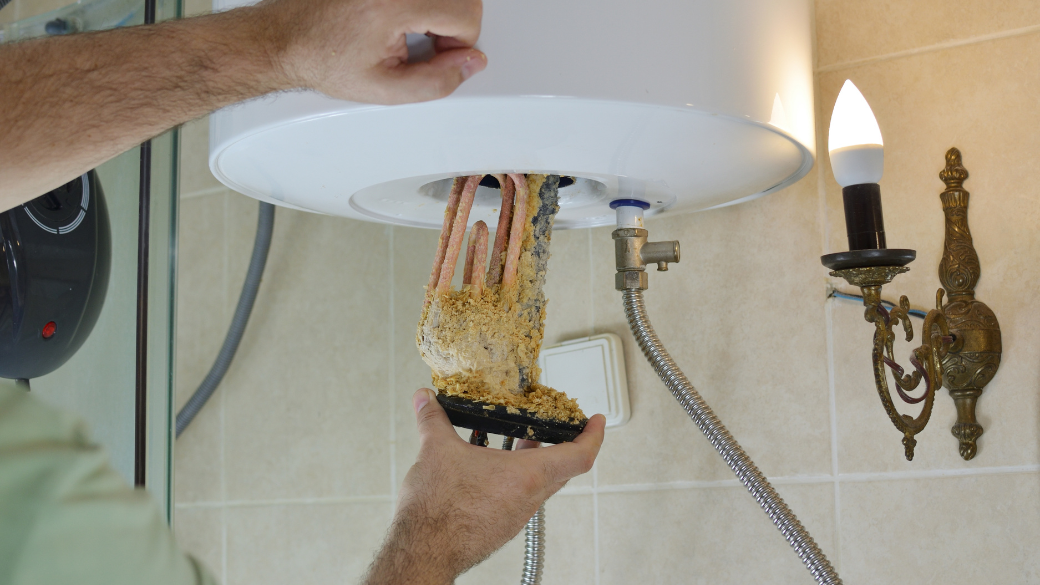
Faulty heating element: A shorted heating element draws far more current than normal and trips the breaker almost immediately after reset.
Bad thermostat: A thermostat that fails to shut off the heating element causes it to run continuously, eventually overheating the circuit.
Moisture or water intrusion: Water inside the junction box or around the element connections creates a ground fault condition.
A water heater that repeatedly trips its breaker is not just an inconvenience. It’s a sign of a component failure that needs repair or replacement. If your unit is more than 8 to 12 years old and tripping its breaker, replacement is often the more cost-effective path. See our pages on Water Heater Repair in Aledo, TX and Water Heater Installation in Aledo, TX for more detail.
What Should I Check Before Calling an Electrician?
There are a few safe, simple checks a homeowner can do before calling a pro. These steps won’t fix a wiring problem, but they can rule out the easy causes and give a technician useful information.
Identify which circuit is tripping. Check your breaker panel directory. Knowing whether it’s a general circuit, a dedicated appliance circuit, or a bathroom/kitchen circuit narrows the cause significantly.
Unplug everything on that circuit. Reset the breaker. If it holds with nothing plugged in, the problem is a device or appliance, not the wiring.
Plug devices back in one at a time. Wait a few minutes between each. The device that trips the breaker is the faulty one.
Check for GFCI outlets. In bathrooms, kitchens, garages, and outdoor areas, look for outlets with “Test” and “Reset” buttons. Press reset on any that have tripped.
Look for visible damage. Scorch marks, melted plastic, or a burning smell at any outlet or switch means stop and call an electrician. Don’t reset the breaker again.
Check your appliances. A device with a damaged cord, a cracked housing, or one that sparks when plugged in should be discarded, not used.
When Is a Tripping Breaker a Plumbing Problem?
This one surprises homeowners, but plumbing and electrical systems intersect more than most people realize. A water leak inside a wall can reach electrical wiring or junction boxes, creating a ground fault that trips a breaker. If you notice a breaker tripping in a bathroom, kitchen, or laundry room alongside signs of moisture (water stains, soft drywall, musty smell), a hidden leak may be the root cause.
Our team handles Kitchen & Bathroom Plumbing Repair & Installation and can help identify whether a plumbing leak is contributing to your electrical issues. Resolving the leak is step one before any electrical repair will hold.
Water Heater Acting Up?
Texas Plumbing and Drain handles water heater repairs and installations for Aledo homeowners, call us to get it looked at.
Typical Costs: Electrical Repairs Related to Tripping Breakers
The cost to fix a tripping breaker depends heavily on the cause. Here are general estimated ranges based on national data. These are not quotes from Texas Plumbing and Drain.
How to Prevent Circuit Breakers from Tripping in the Future
Prevention is mostly about understanding your home’s electrical capacity and not pushing past it. A few habits go a long way.
Spread high-draw appliances across circuits. Don’t run the microwave, toaster, and coffee maker on the same kitchen circuit at the same time.
Use power strips with built-in surge protection rather than simple extension cords, especially for electronics.
Service your HVAC annually. A clean, well-maintained system draws less current and is far less likely to trip its breaker. The U.S. Department of Energy recommends annual HVAC tune-ups to maintain efficiency and prevent strain on electrical components.
Replace aging appliances. Appliances older than 10 to 15 years often develop internal faults that stress circuits.
Have your panel inspected if your home is more than 25 years old. Older panels may not meet current load demands.
Address plumbing leaks quickly. A slow leak near wiring is a slow-building electrical hazard.
Ready to Schedule a Service Call in Aledo?
If your circuit breaker keeps tripping and you’ve ruled out a simple overload, it’s time to get a professional involved. For plumbing-related causes, including water heater failures or leaks near electrical areas, Texas Plumbing and Drain serves Aledo and the surrounding Parker County area. Call us at (682) 452-6455 or request a service visit to get the right diagnosis and a lasting fix.
FAQs
Is it safe to keep resetting a tripping circuit breaker?
Resetting a breaker once to check whether the problem resolves is reasonable. Resetting it repeatedly without finding the cause is not safe. Each reset while a fault exists can overheat wiring, damage appliances, or, in the case of a short circuit or arc fault, increase fire risk. If it trips more than twice in a row, stop resetting and call a professional.
Why does my breaker trip at night or when the AC turns on?
This is almost always a startup amperage issue. Air conditioners draw a surge of current, called “locked rotor amperage,” when the compressor starts. If the circuit is already near capacity or the compressor is struggling, that startup surge trips the breaker. A failing capacitor is a common culprit and is a relatively inexpensive fix if caught early.
Can a bad outlet cause a breaker to trip?
Yes. A damaged outlet with loose connections, worn contacts, or moisture intrusion can create a short circuit or ground fault that trips the breaker. If one outlet on a circuit is visibly damaged or feels warm to the touch, stop using it and have it replaced. Don’t assume the breaker is the problem until the outlet is ruled out.
Why does my bathroom breaker keep tripping?
Bathroom circuits are protected by GFCI outlets, which trip at the outlet level rather than the panel. Check for a GFCI outlet in the bathroom (or sometimes in a hallway or adjacent room) with a tripped reset button. If the GFCI keeps tripping, moisture intrusion, a faulty appliance like a hair dryer or electric shaver, or a wiring fault in the circuit are the likely causes.
How do I know if my breaker panel needs to be replaced?
Signs that a panel may need replacement include breakers that trip frequently without clear cause, a panel that feels warm or makes buzzing sounds, visible corrosion or rust inside the panel, or a panel that is more than 25 to 30 years old. Certain older panel brands have known reliability issues. A licensed electrician can assess whether replacement is warranted.
Can a plumbing leak cause a circuit breaker to trip?
Yes, and it’s more common than most homeowners expect. Water that reaches electrical wiring, outlet boxes, or junction boxes creates a ground fault condition that trips the breaker. If a breaker in a kitchen, bathroom, or laundry room keeps tripping and you also notice water stains or soft drywall, have a plumber check for a hidden leak before assuming the problem is purely electrical.
What size breaker does a water heater need?
Most standard electric tank water heaters require a dedicated 240-volt, 30-amp double-pole breaker. Tankless electric water heaters often require multiple 40 to 50-amp circuits depending on the unit’s kilowatt rating. Using an undersized breaker for a water heater will cause repeated tripping and can damage the heating elements over time.
Does Aledo, TX require a permit to add a new circuit?
Yes. The City of Aledo and Parker County follow the National Electrical Code and require permits for new circuit installations, panel upgrades, and significant electrical modifications. Always ask your electrician to pull the required permit. Work done without a permit can create issues with homeowner’s insurance claims and future home sales.
Ready to Fix It?
From sump pumps to water heaters, we’re here to sort out the plumbing issues that may be behind your breaker headaches.