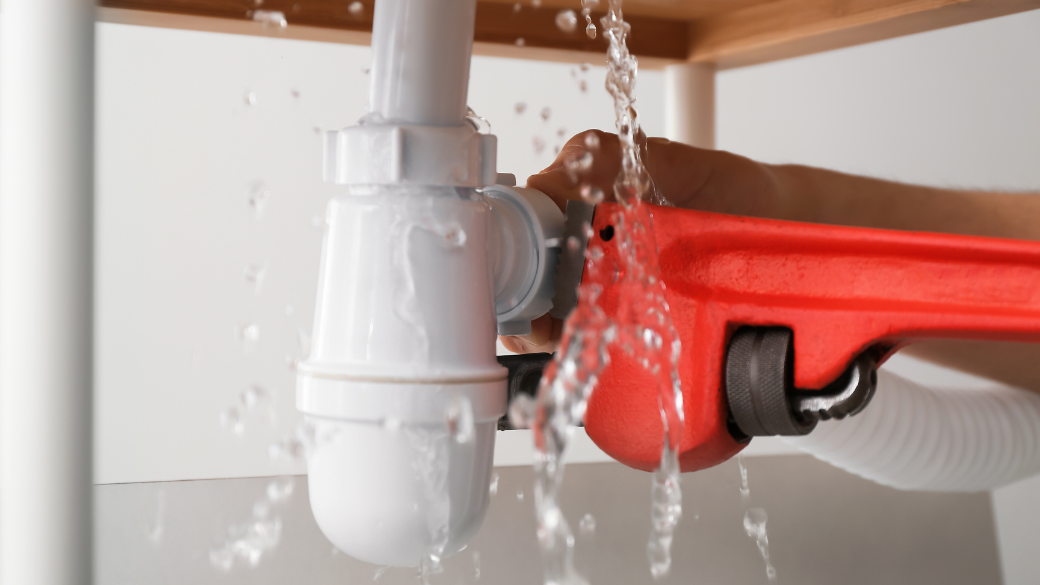
Plumbing Testing in Aledo, TX: How to Find Hidden Leaks Before They Cause Real Damage
Plumbing testing in Aledo, TX is the most reliable way to find hidden leaks, weak pipe joints, and drainage problems before they turn into flooded walls or a cracked slab. A professional plumber uses pressure tests, dye tests, smoke tests, and camera inspections to pinpoint exactly where a system is failing, often without cutting a single wall.
Key Takeaways
Pressure testing is the standard method for confirming whether a water supply line or drain system holds without leaking, typically using air or water at a set PSI.
Smoke testing is the go-to method for finding sewer gas entry points and drain line cracks that pressure tests can miss.
Slab leaks are a real concern in Aledo and the broader Parker County area, where expansive clay soils shift foundations and stress buried copper or PEX lines.
A spike in your water bill, soft spots in drywall, or the smell of rotten eggs are all signs you need a plumbing test now, not later.
Most plumbing tests take 1 to 3 hours for a standard residential system; slab leak detection with electronic equipment can take longer.
What Is Plumbing Testing and Why Does It Matter in Aledo?
Plumbing testing is a structured process of applying pressure, dye, smoke, or a camera to a pipe system to verify it is watertight, structurally sound, and draining correctly. For Aledo homeowners, it matters for a specific reason: the area sits on expansive Blackland Prairie clay soils that swell in wet weather and shrink in drought, putting constant stress on underground and slab-embedded pipes.
Parker County averages around 32 inches of rainfall per year, with dry summers that can drop soil moisture dramatically. That cycle of expansion and contraction is one of the leading causes of slab leaks and joint failures in local homes. Catching a small leak early, before it saturates a slab or soaks into wall framing, is far cheaper than remediation after the fact. According to the U.S. Environmental Protection Agency, household leaks waste nearly 1 trillion gallons of water nationally each year, and a single dripping faucet or pinhole pipe leak can waste more than 3,000 gallons annually.
Plumbing testing is also required by the Texas State Plumbing Code at specific stages of new construction and major remodels, so it is not just a diagnostic tool. It is a code compliance step that protects your home’s value and your family’s safety.
What Are the Main Types of Plumbing Tests Used in Aledo?
There are four primary plumbing testing methods a plumber will use on a residential system in Aledo. Each one targets a different type of problem, and a thorough inspection may use more than one.
1. Hydrostatic (Water) Pressure Test
A hydrostatic test fills a section of pipe with water, seals it, and monitors whether the pressure holds over a set period, usually 15 to 30 minutes. If pressure drops, there is a leak somewhere in that section. This is the most common test for supply lines and is required by the Texas Plumbing Code for new rough-in inspections at a minimum of 100 PSI for water supply lines.
2. Air Pressure Test
Air pressure tests work similarly to hydrostatic tests but use compressed air instead of water. They are often preferred for drain, waste, and vent (DWV) systems because water is harder to remove from those lines afterward. A standard DWV air test holds at 5 PSI for 15 minutes with no measurable drop.
3. Smoke Test
A smoke test pumps non-toxic, artificially generated smoke into a drain or sewer line under low pressure. Smoke escapes wherever there is a crack, a missing cleanout cap, a dry P-trap, or a faulty wax ring seal. It is the fastest way to find sewer gas entry points, which matter because hydrogen sulfide and methane from sewer lines are both a health hazard and a fire risk. The U.S. Consumer Product Safety Commission lists sewer gas accumulation as a documented household safety concern.
4. Camera (Video) Inspection
A waterproof camera is fed through a cleanout into the drain or sewer line. The plumber watches a live feed to spot root intrusion, pipe collapse, offset joints, and buildup. Camera inspections are especially useful before buying a home in Aledo or after a tree removal near a sewer lateral. For more on what happens after a camera finds a problem, see our page on sewer line repair and replacement.
Spot a Leak in Aledo?
Don’t let a small drip turn into a bigger repair, call us and we’ll take a look.
A slab leak is a leak in a water supply or drain line that runs beneath a concrete foundation. In Aledo, slab leaks are more common than in many other parts of Texas because of the clay soil movement described above. Detection requires specialized equipment, not just a pressure gauge.
A plumber will typically use a combination of these methods:
Electronic leak detection: Acoustic listening devices amplify the sound of water escaping a pressurized pipe beneath the slab. A trained technician can often pinpoint the leak location within a few inches.
Thermal imaging: An infrared camera detects temperature differences in the slab surface caused by warm or cold water leaking beneath it.
Isolation pressure testing: The plumber shuts off sections of the supply system one at a time and monitors pressure to narrow down which branch is leaking.
Tracer gas testing: A non-toxic gas (typically hydrogen mixed with nitrogen) is introduced into the pipe. A sensor at the surface detects where the gas escapes through the slab.
Early detection matters enormously. A slab leak left unaddressed can erode the soil beneath a foundation, cause structural settling, and lead to mold growth inside walls. Learn more about what this process looks like on our slab leak detection page.
The most expensive plumbing repair is almost always the one that went undetected for six months.
What Are the Warning Signs That You Need Plumbing Testing?
You do not always see a leak. Many of the worst plumbing failures in Aledo homes are invisible until they have already caused significant damage. Watch for these signs:
Unexplained water bill increase: A bill that jumps by 20% or more with no change in usage is a strong indicator of a hidden leak.
Low water pressure throughout the house: Sudden or gradual pressure drops can signal a supply line leak or a failing pressure-reducing valve. See our guide on water pressure and pressure-reducing valve repair for more detail.
Warm or wet spots on the floor: A hot-water slab leak often creates a warm patch on tile or hardwood directly above it.
Sulfur or rotten-egg smell indoors: This is a classic sign of sewer gas entering through a cracked drain line or a dry trap.
Mold or mildew on walls or ceilings: Persistent moisture from a slow leak behind drywall creates ideal mold conditions within 24 to 48 hours of saturation.
Sounds of running water when nothing is on: Audible water movement in walls or under floors when all fixtures are off points to an active leak.
Cracks in the foundation or interior walls: Soil erosion from a slab leak can cause visible settling cracks.
Slow drains throughout the house: A single slow drain is usually a local clog. Multiple slow drains at once suggest a main line problem. Our drain cleaning in Aledo, TX service addresses both.
When Is Plumbing Testing Required in Aledo, TX?
Plumbing testing is not just for emergencies. There are several situations where it is either required by code or strongly recommended as a practical step.
Situation
Test Type Typically Required
Why It Matters
New construction rough-in
Hydrostatic or air pressure test
Required by Texas Plumbing Code before walls are closed
Home purchase inspection
Camera inspection, pressure test
Reveals hidden defects before closing
After a pipe repair or replacement
Pressure test
Confirms the repair is watertight
Sewer gas odor complaint
Smoke test
Locates the entry point quickly
Unexplained high water bill
Isolation pressure test, acoustic detection
Confirms and locates a hidden leak
Remodel or addition
Pressure test on new rough-in
Required by Parker County permit process
Older home (pre-1990s)
Camera inspection
Cast iron and galvanized lines degrade over time
Parker County requires a plumbing permit and inspection for most new installations and significant repairs. Always confirm current permit requirements with the Parker County Development Services office before starting work. A plumber you hire should be familiar with local inspection protocols and pull the appropriate permits on your behalf.
What Happens After a Plumbing Test Finds a Problem?
Finding the leak is step one. What comes next depends on where the problem is and how severe it is.
Supply line leak above slab: Usually repaired by cutting out the damaged section and replacing it with new copper, CPVC, or PEX. Repair time is typically a few hours.
Slab leak: Options include spot repair (breaking through the slab at the leak point), pipe rerouting (running a new line through walls or attic to bypass the buried section), or epoxy pipe lining. A plumber will recommend the right approach based on pipe material, age, and leak location.
Drain line crack or offset: Minor cracks may be addressed with pipe lining. Collapsed or severely offset sections require excavation and replacement. See our sewer line repair and replacement page for what that process involves.
Sewer gas entry point: After a smoke test identifies the source, the fix might be as simple as replacing a wax ring, reinstalling a P-trap, or patching a cracked cleanout cap.
Kitchen or bathroom fixture leak: Faucet, toilet, or shower leaks found during testing are addressed through repair or replacement. Our kitchen and bathroom plumbing repair and installation service covers all of these.
How to Prepare Your Home for a Plumbing Testing Visit
A little preparation makes the visit faster and more accurate. Here is what to do before the plumber arrives:
Clear access to cleanouts and shutoff valves. Move stored items away from the main shutoff, floor drains, and any cleanout caps in the garage or utility room.
Note where you have seen symptoms. Write down which rooms have slow drains, where you noticed wet spots, and when the water bill spiked. Specific details help the plumber prioritize.
Turn off appliances that use water. Dishwashers, washing machines, and ice makers should be off during pressure testing so they do not skew the results.
Make sure someone is home for the full visit. Smoke tests require someone to walk the exterior and interior of the home while smoke is introduced, watching for exit points.
Know the age of your home’s pipes. If you have records from the original build or a previous inspection, have them handy. Pipe material and age affect which tests are most appropriate.
According to the U.S. Department of Energy, water heating accounts for roughly 18% of a home’s energy use. A leaking water heater line or a failing pressure relief valve can quietly drive that number up. If your plumber finds a water heater issue during testing, our water heater repair in Aledo, TX team can handle it in the same visit.
FAQs
How long does a plumbing pressure test take?
A standard residential pressure test takes 1 to 2 hours for a single system (supply or drain). The plumber pressurizes the line, holds it for 15 to 30 minutes, and monitors for drops. If a leak is found, locating it precisely adds time depending on the pipe layout and access.
Is a smoke test safe for my family and pets?
Yes. The smoke used in plumbing smoke tests is non-toxic, water-based, and odorless. It is the same type used in HVAC and fire safety testing. The smoke dissipates quickly and leaves no residue. Your plumber will let you know if you need to step outside briefly during the test.
Can I do a plumbing pressure test myself?
A basic DIY pressure test using a gauge at a hose bib can tell you whether your supply pressure is in the normal range (typically 40 to 80 PSI for residential systems). However, isolating sections, interpreting pressure drops, and locating the source of a leak requires professional equipment and training. DIY tests can miss slow leaks entirely.
How do I know if I have a slab leak in my Aledo home?
Common signs include warm spots on the floor, the sound of running water when all fixtures are off, a water bill that has increased without explanation, and cracks appearing in interior walls or the foundation. Aledo’s clay soils make slab leaks more common here than in areas with more stable ground. A professional acoustic or thermal test confirms it.
Does homeowner’s insurance cover plumbing leak detection and repair?
Coverage varies by policy. Most standard homeowner’s policies cover sudden and accidental water damage but not gradual leaks or the cost of finding the leak itself. Some policies include a leak detection rider. Review your policy or call your insurer before assuming coverage. Water damage from undetected leaks can be extensive, as outlined by resources like the overview of water damage causes and effects.
How often should I have my plumbing system tested in Aledo?
For most homes, a full plumbing inspection every 3 to 5 years is a reasonable baseline. Homes built before 1990, homes with known clay soil movement issues, or homes that have had previous leaks should be inspected more frequently, roughly every 1 to 2 years. Annual checks of visible supply lines and drain performance are something any homeowner can do.
What is the difference between a plumbing inspection and a plumbing test?
A plumbing inspection is a visual assessment of accessible pipes, fixtures, and connections, checking for corrosion, improper slope, missing supports, and code compliance. A plumbing test applies measurable pressure, smoke, or a camera to verify performance under conditions. A thorough diagnostic visit often includes both.
Will plumbing testing damage my walls or floors?
Most modern plumbing testing methods are non-invasive. Pressure tests, smoke tests, and camera inspections require no cutting. Electronic acoustic detection and thermal imaging also leave walls and floors intact. If a leak is confirmed and repair requires access, the plumber will discuss the least invasive approach before any cutting begins.
Schedule Plumbing Testing in Aledo, TX
If you have noticed any of the warning signs above, or you just want to know your system is solid before a remodel or home sale, Texas Plumbing and Drain serves Aledo and the surrounding Parker County area. Call us at (682) 452-6455 to schedule a plumbing testing visit and get a clear picture of what is happening inside your pipes.
Ready to Fix It?
Schedule a visit with Texas Plumbing and Drain and get your plumbing back in working order.